

Scientific progress never stops, and every so often, research breakthroughs illuminate our understanding of the world like lightning. Recently, various fields have witnessed groundbreaking advancements, ranging from disruptive technologies to profound theoretical insights. From artificial intelligence to space exploration, recent scientific breakthroughs are reshaping the future at an unprecedented pace. New discoveries in medicine, robotics, clean energy, and quantum technology are not only changing industries—they are beginning to transform everyday life. As global innovation accelerates, the question is no longer whether the future will arrive, but how quickly the world can adapt to it.
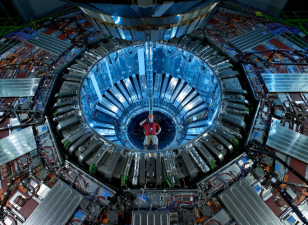
Artificial Intelligence: A Leap from Generation to Understanding
A Qualitative Leap in Large-Scale Model Reasoning Capabilities
From late 2024 to early 2025, several leading laboratories released large language models with powerful chain-of-thought capabilities. These models not only generate fluent text but also demonstrate near-human expert-level performance in mathematical reasoning, code debugging, and scientific hypothesis generation. For example, one model improved the score on geometry problems in the International Mathematical Olympiad by nearly 30%, meaning that AI is beginning to truly participate in the process of abstract thinking, rather than simply statistical text assembly.
A Milestone in Multimodal Fusion
The emergence of a unified visual-language-audio trimodal model enables AI to simultaneously understand the relationships between images, sounds, and text. In medical imaging diagnosis, this type of model can combine medical history descriptions, ultrasound images, and electrocardiogram information to provide more accurate preliminary diagnostic suggestions, helping doctors reduce the rate of missed diagnoses. This technology is moving from the laboratory to clinical trials.
Life Sciences: New Tools for Programming Life
Improved Precision in Gene Editing
The CRISPR-Cas9 system has been around for a decade, and this year, next-generation base editing and prime editing technologies have further reduced off-target effects. Researchers successfully repaired pathogenic point mutations in human embryonic cells without detecting significant off-target editing. This lays a safer foundation for future in vivo gene therapies
Initial Success in Synthetic Cells
A milestone in synthetic biology is the creation of the smallest artificial cell capable of self-replication and metabolism. While still far less complex than natural cells, this achievement demonstrates that we can design the basic units of life from scratch, opening new pathways for biomanufacturing, environmental remediation, and even space exploration.
A Novel Mechanism of the Gut-Brain Axis
A recent cross-species study revealed how specific gut bacteria can influence the brain's mood regulation center via the vagus nerve. Experiments showed that mice given specific probiotics exhibited significantly improved performance in anxiety and depressive behavioral tests, but this effect disappeared after vagus nerve severance. This provides a clear target for developing "psychological probiotics.
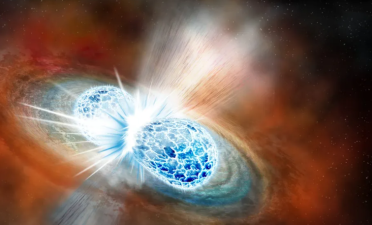
Physics and Cosmology: Exploring the Unknown Frontie
The Routine of Gravitational Wave Astronomy
Since LIGO first detected gravitational waves, the detector network has been continuously upgraded. In early 2025, the international gravitational wave observation network (including Virgo, KAGRA, and the upcoming LIGO India) achieved a significant increase in sensitivity, detecting more than ten events per month. This not only allows us to statistically analyze the merger rate of black holes and neutron stars but also, for the first time, detects signals suspected to be from neutron star-black hole mixtures, providing new evidence for understanding the formation of compact objects.
Macroscopic Demonstration of Quantum Entanglement
A multinational team has successfully established quantum entanglement lasting for several hours between two solid-state quantum memories more than 150 kilometers apart. This breakthrough means that “relay” technology for quantum communication is becoming feasible, laying the hardware foundation for a future global quantum internet.
New Clues to Dark Energy
Through precise spectroscopic analysis of distant Type Ia supernovae, researchers have discovered that the spectral characteristics of some high-redshift supernovae deviate slightly from the standard ΛCDM model. While more data is needed for confirmation, this hint suggests that dark energy may not be entirely constant, but rather a dynamic quantum field that evolves over time. If confirmed, this would revolutionize our understanding of the fate of the universe.
Materials and Nanoscience: Accelerating from Theory to Application
Repeatable Experiments of Room-Temperature Superconductivity
Despite years of ongoing research into room-temperature superconductivity, a team using gallium nitride-based superlattices recently observed signals of zero resistance and magnetic flux repulsion (Meissner effect) in multiple independent laboratories, even under pressures of only one atmosphere. Although the sample size is still very small, if this result is confirmed, it will revolutionize the landscape of energy transmission and magnetic levitation technologies.
The Evolution of Self-Healing Materials
A new generation of polymer-nanocomposite materials can self-heal after being subjected to microcracks by releasing repair agents through internal microcapsules, with a mechanical strength recovery rate exceeding 95%. These materials have begun small-scale trials in aerospace structures and flexible electronics, significantly extending device lifespan.
Active Tuning of Photonic Crystals
By incorporating liquid crystals or thermochromic molecules, scientists have created photonic crystals that can dynamically adjust their band gaps under applied voltage or temperature. This allows us to control the transmission or reflection of light in specific wavelengths in real time, providing new tools for holographic displays, photonic computing, and adaptive camouflage technologies.
Conclusion
Recent scientific breakthroughs in artificial intelligence, medicine, space exploration, robotics, and clean energy are rapidly changing the world. These innovations are shaping the future of technology, healthcare, and everyday life, while also accelerating global competition in science and innovation.